
𝗨.𝗦. 𝗧𝗿𝗲𝗮𝘀𝘂𝗿𝘆 𝘁𝗼 𝗘𝗹𝗶𝗺𝗶𝗻𝗮𝘁𝗲 𝘁𝗵𝗲 𝗣𝗲𝗻𝗻𝘆 𝗯𝘆 𝟮𝟬𝟮𝟲
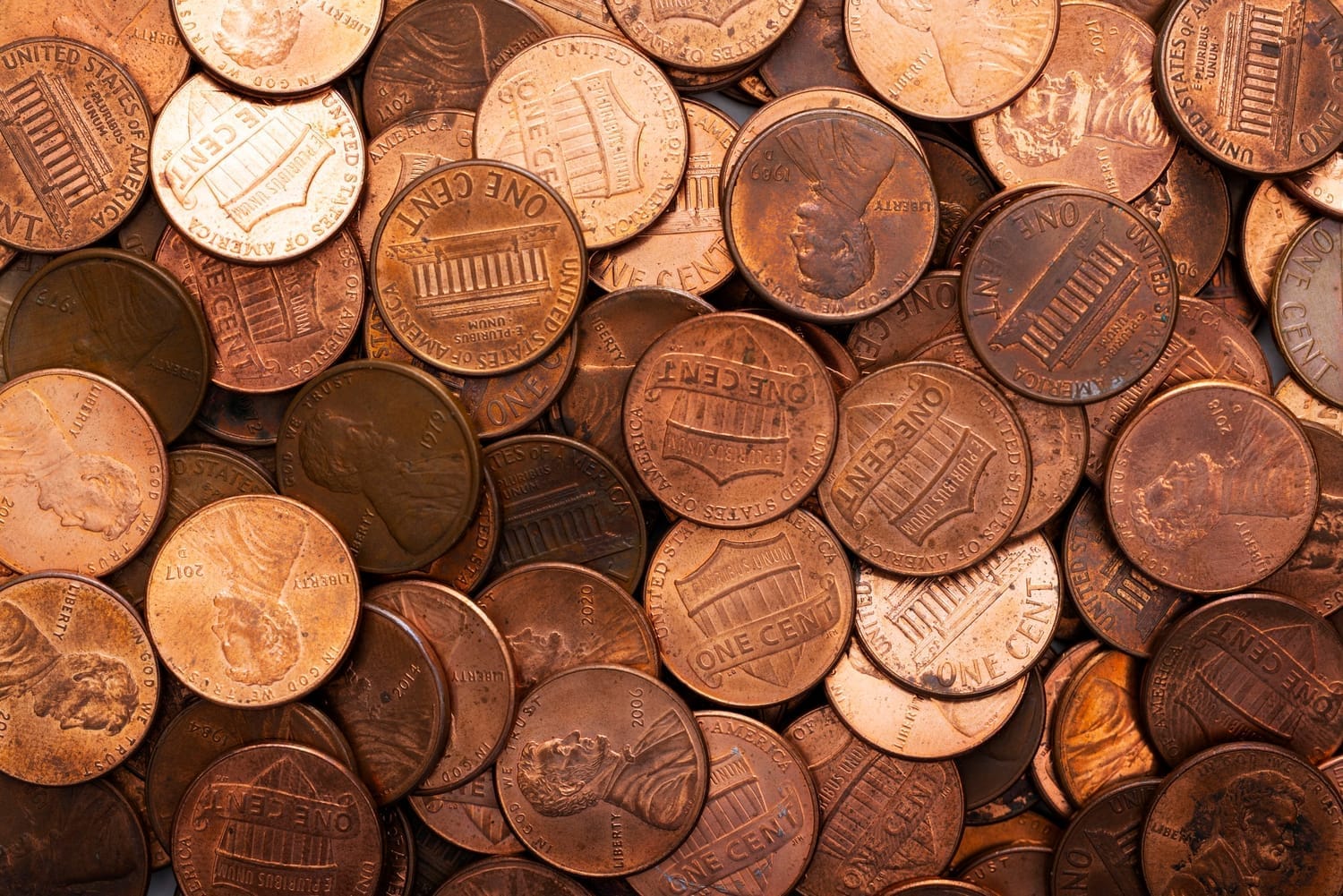
The U.S. Treasury Department has announced plans to cease production of the penny by early 2026, citing rising production costs and inefficiencies. This decision, backed by bipartisan support and initiated under President Donald Trump's directive, aims to save the government approximately $56 million annually.
📌 What Happened:
Each penny currently costs nearly 4 cents to produce, leading to significant annual losses.
The final order for penny blanks has been placed, and once the current supply is exhausted, production will halt.
Cash transactions will be rounded to the nearest five cents, while electronic payments will remain unaffected.
The move aligns the U.S. with other countries like Canada and Australia, which have already phased out their one-cent coins.
🧠 The Bigger Picture:
The penny has been a part of American currency since 1793, featuring Abraham Lincoln since 1909. Despite its historical significance, the coin has become economically impractical, with billions sitting unused. Eliminating the penny reflects a shift towards more efficient fiscal policies.
💭 Final Thoughts:
While some may feel nostalgic about the penny, its removal is a practical step towards reducing unnecessary government spending. As the U.S. modernizes its currency system, this move represents a commitment to fiscal responsibility.
I don’t chase clout / I chase clarity.
If you’re about that too, check out the other tabs on this blog — or come join the conversation in the Facebook group.
Let's get social



Life’s too short for bad buys—sign up now.